
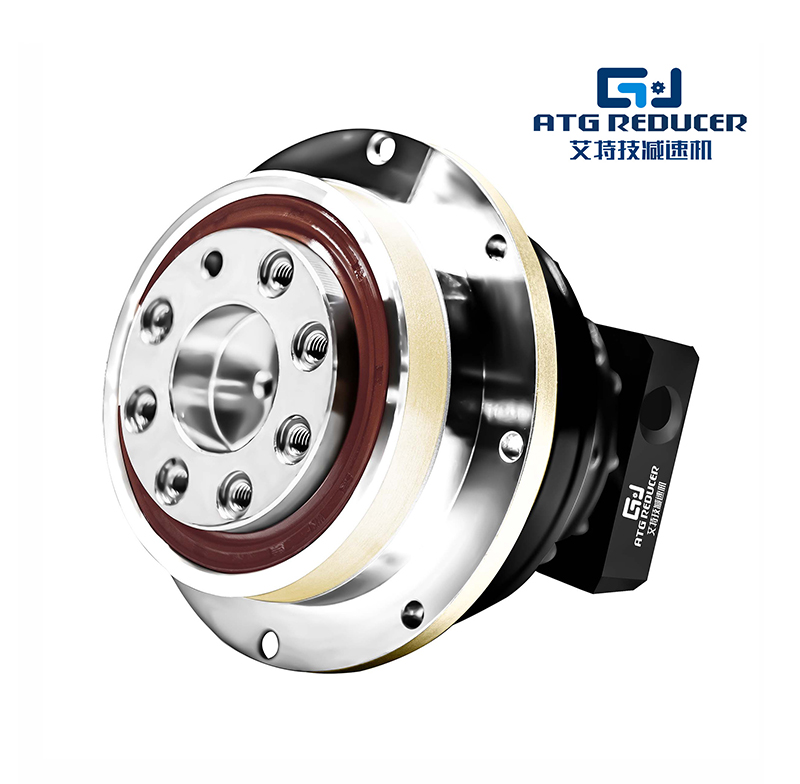
Gear reducer maintenance is a critical part of industrial equipment reliability, energy efficiency, and long-term operating safety.
In factories, processing plants, conveyor systems, material handling lines, mixers, pumps, compressors, and heavy-duty machinery, a gear reducer helps match motor speed to application demand while increasing torque output.
When a gear reducer is properly maintained, it can reduce downtime, prevent premature wear, improve power transmission stability, and extend service life significantly.
This guide provides a practical, SEO-friendly, industry-focused overview of gear reducer maintenance for industrial equipment.
It is designed for use in blog posts, category pages, industry pages, and technical content hubs.
The content below covers definitions, working principles, maintenance benefits, inspection routines, lubrication best practices, troubleshooting points, and useful reference tables.
It includes only general industry information and does not recommend specific companies or brands.
A gear reducer, also called a speed reducer, gear box, or reduction gearbox, is a mechanical device used to reduce input speed and increase output torque.
It transfers rotational power from a motor or engine to a driven machine through a set of gears.
By changing the speed ratio between the input and output shafts, a gear reducer helps industrial equipment operate at the correct speed and load conditions.
Gear reducers are widely used because many industrial motors run at speeds that are too high for direct application use.
Without a reducer, equipment may experience excessive speed, poor control, high wear, and inefficient operation.
Common gear reducer types include helical gear reducers, bevel gear reducers, worm gear reducers, planetary gear reducers, and parallel shaft gear reducers.
Industrial gear reducer maintenance is essential because even a well-designed reducer can fail early if lubrication, alignment, sealing, or operating conditions are neglected.
Over time, gears, bearings, seals, shafts, and housings are exposed to heat, vibration, contamination, and load stress.
Preventive maintenance helps identify problems before they develop into major breakdowns.
A proper gear reducer maintenance program supports:
Gear reducer maintenance delivers direct operational and financial advantages in industrial equipment systems.
Regular inspection and lubrication help preserve mechanical performance and protect connected components such as motors, couplings, belts, chains, and driven loads.
| Maintenance Benefit | Operational Impact |
|---|---|
| Extended component life | Reduces wear on gears, bearings, seals, and shafts |
| Lower downtime | Prevents unexpected failures in production lines |
| Improved efficiency | Supports smooth power transmission with less energy loss |
| Better load stability | Maintains consistent torque and speed control |
| Reduced noise and vibration | Indicates healthier mechanical conditions |
| Lower maintenance cost | Reduces emergency repairs and major rebuilds |
Different applications require different reducer designs.
Each type has unique maintenance priorities, but the core principles of inspection, lubrication, alignment, and contamination control remain similar.
| Gear Reducer Type | Main Characteristics | Common Applications | Maintenance Focus |
|---|---|---|---|
| Helical gear reducer | High efficiency, smooth operation, good load capacity | Conveyors, mixers, pumps, industrial drives | Oil condition, alignment, bearing wear |
| Bevel gear reducer | Transfers motion between intersecting shafts | Material handling, packaging, automation systems | Gear tooth condition, backlash, lubrication |
| Worm gear reducer | Compact design, high reduction ratio, quieter operation | Light to medium-duty industrial equipment | Heat control, oil quality, wear monitoring |
| Planetary gear reducer | High torque density, compact size, precise transmission | Robotics, heavy machinery, motion systems | Seal integrity, lubrication, load distribution |
| Parallel shaft gear reducer | Efficient power transfer with parallel shafts | Conveyors, processing lines, general industrial drives | Vibration, coupling condition, oil level |
A structured maintenance schedule helps industrial teams stay ahead of wear and contamination.
The exact interval depends on operating hours, load level, ambient conditions, and manufacturer specifications, but the following table gives a general reference for industrial equipment.
| Maintenance Interval | Recommended Task |
|---|---|
| Daily | Check for unusual noise, vibration, overheating, and visible oil leakage |
| Weekly | Inspect oil level, housing condition, mounting bolts, and external contamination |
| Monthly | Review alignment, coupling condition, breather condition, and temperature trends |
| Quarterly | Test oil quality, inspect seals, examine gear wear indicators, and clean surrounding surfaces |
| Semi-annually | Replace lubricant if required, inspect bearings, and check backlash or internal play |
| Annually | Perform a full condition review, flush and refill oil if needed, and inspect internal components |
The first step in gear reducer maintenance is a visual inspection of the housing and surrounding area.
Look for signs of oil leakage, loose fasteners, cracked housings, corrosion, dirt buildup, or abnormal wear marks.
External contamination can enter seals and accelerate internal damage, so cleanliness is an important part of long-term reliability.
Abnormal noise or vibration is often one of the earliest warning signs of gearbox problems.
A healthy gear reducer usually runs with a steady mechanical sound.
Grinding, clicking, whining, or knocking can indicate gear tooth damage, bearing issues, misalignment, or insufficient lubrication.
Vibration monitoring is especially useful in industrial equipment because it helps identify small faults before failure occurs.
Lubrication is one of the most important elements of gear reducer maintenance.
Oil or grease reduces friction, dissipates heat, and helps protect gear teeth and bearing surfaces from direct metal-to-metal contact.
Low oil levels can cause overheating, while contaminated oil can accelerate wear.
Dark oil, metal particles, burnt odor, or milky discoloration may indicate oxidation, contamination, or moisture ingress.
Misalignment between the motor, coupling, and reducer can create excessive stress on shafts, bearings, and gears.
Alignment should be checked whenever equipment is installed, repaired, or moved.
Even small alignment errors can increase vibration, reduce efficiency, and shorten component life.
Seals protect the internal gearbox from contamination and help retain lubricant.
If seals are worn, cracked, or improperly fitted, dust and moisture can enter the reducer and degrade performance.
Breathers should also be checked because blocked breathers can increase internal pressure and contribute to leakage.
Excessive heat is a major warning sign in gear reducer systems.
Temperature increases may be caused by overload, poor lubrication, high ambient heat, misalignment, or internal wear.
Regular temperature checks can help maintenance teams spot abnormal operating conditions early.
Loose mounting bolts or unstable foundations can cause excessive vibration and stress on the reducer housing.
Industrial gear reducer maintenance should always include a check of all external mounting points, support frames, and connected hardware.
Lubricant does not last forever.
Over time, it breaks down due to heat, contamination, and mechanical shear.
Replacement intervals should follow operating severity and lubricant condition, not only calendar time.
In high-load or continuous-duty equipment, more frequent oil changes may be necessary.
Lubrication quality has a direct effect on gear reducer performance and maintenance cost.
A good lubrication program supports smooth operation, protects gear teeth, and prevents overheating.
Industrial equipment operators should select the correct lubricant type and viscosity based on load, speed, temperature, and gear reducer design.
| Lubrication Practice | Purpose |
|---|---|
| Use the specified lubricant | Ensures proper film strength and gear protection |
| Keep lubricant clean | Prevents abrasive wear and contamination damage |
| Check viscosity compatibility | Supports correct flow and load-carrying performance |
| Avoid overfilling | Reduces heat, churning losses, and seal pressure |
| Replace worn seals | Prevents leakage and contamination entry |
| Use oil analysis when possible | Detects wear particles, water, oxidation, and contamination early |
Early detection is the most cost-effective part of industrial gear reducer maintenance.
Maintenance teams should pay attention to any change in sound, temperature, or performance.
| Warning Sign | Possible Cause | Recommended Action |
|---|---|---|
| Unusual noise | Gear wear, bearing damage, misalignment | Inspect internal components and alignment |
| High temperature | Low lubrication, overload, poor heat dissipation | Check oil level and operating load |
| Oil leakage | Seal failure, pressure buildup, housing damage | Replace seals and inspect pressure vents |
| Excess vibration | Imbalance, loosened fasteners, worn gears | Check mounting, coupling, and internal wear |
| Reduced output performance | Gear damage, lubrication issues, overload | Investigate torque transmission and oil condition |
| Discolored oil | Oxidation, contamination, overheating | Replace lubricant and inspect contamination source |
The following checklist can be used as a general reference for industrial gear reducer maintenance programs.
It helps maintenance technicians standardize inspections and reduce oversight.
| Inspection Item | Pass/Fail Check |
|---|---|
| Housing condition | No cracks, corrosion, or visible damage |
| Lubricant level | Within recommended operating range |
| Lubricant condition | Clean, stable, and free from contamination |
| Noise level | Normal operating sound, no grinding or whining |
| Temperature | Within acceptable operating range |
| Seals | No leakage, cracking, or deformation |
| Mounting bolts | Secure and properly tightened |
| Alignment | Motor and reducer aligned correctly |
| Breather | Clean and functioning properly |
| Vibration | Within normal baseline level |
Actual specifications vary by design and application, but the following reference table is useful for general industrial documentation.
It can be adapted for product pages, maintenance guides, or technical comparison content.
| Specification | General Reference Range | Maintenance Relevance |
|---|---|---|
| Reduction ratio | Low to very high, depending on type | Affects load, speed, and heat generation |
| Efficiency | Varies by reducer design | Impacts energy consumption and temperature |
| Lubricant type | Oil or grease based on design | Critical for gear protection and wear control |
| Operating temperature | Application-dependent | Useful for condition monitoring |
| Noise level | Depends on gear type and load | Early indicator of abnormal wear |
| Mounting style | Foot-mounted, flange-mounted, shaft-mounted | Influences alignment and inspection methods |
| Protection level | Varies by enclosure and sealing design | Related to contamination resistance |
| Service interval | Based on duty cycle and environment | Determines inspection and lubricant replacement timing |
Industrial gear reducer maintenance requirements change according to the operating environment.
Machines running in dusty, wet, hot, humid, or high-vibration conditions need more frequent inspection and stronger contamination control.
Heavy-load systems may also require tighter lubrication monitoring and closer attention to gear tooth condition.
Preventive maintenance is the preferred strategy for gear reducer systems in industrial equipment.
Instead of waiting for failure, teams schedule routine inspections and service actions to keep the reducer operating within safe and efficient limits.
Reactive maintenance, by contrast, responds only after a failure has already occurred.
| Maintenance Strategy | Advantages | Disadvantages |
|---|---|---|
| Preventive maintenance | Reduces failures, lowers cost, improves planning | Requires schedule discipline and regular labor |
| Reactive maintenance | Simple to manage in the short term | Higher downtime, higher repair risk, more expensive emergencies |
For most industrial gear reducer applications, preventive maintenance is the smarter long-term approach because it protects production continuity and reduces the likelihood of major mechanical damage.
To maximize the life of a gear reducer in industrial equipment, maintenance teams should combine inspection, lubrication, alignment, cleanliness, and monitoring into one routine program.
Consistent care is more effective than occasional repairs.
For SEO purposes, industrial content related to gear reducer maintenance often includes related search terms that reflect user intent.
These keywords help search engines understand topic relevance and can improve visibility for informational queries.
| Primary Keyword | Related SEO Terms |
|---|---|
| Gear reducer maintenance | gearbox maintenance, speed reducer maintenance, industrial gear reducer care |
| Industrial gear reducer | gear reducer for industrial equipment, reduction gearbox, power transmission gearbox |
| Gear reducer lubrication | gear oil selection, lubricant replacement, gearbox oil inspection |
| Gear reducer inspection | vibration check, temperature monitoring, seal inspection |
| Preventive maintenance | predictive maintenance, condition monitoring, maintenance schedule |
Gear reducer maintenance is a fundamental part of industrial equipment management.
Whether the application involves conveyors, mixers, pumps, processing systems, or heavy-duty machinery, a well-maintained gear reducer improves reliability, extends service life, and supports efficient power transmission.
The most effective maintenance programs combine routine inspection, correct lubrication, alignment verification, contamination control, and condition monitoring.
By following a structured gear reducer maintenance guide, industrial operators can reduce downtime, improve equipment performance, and protect mechanical assets over the long term.
For SEO and content publishing, this topic is highly valuable because it matches strong industry search intent and allows natural use of keywords such as gear reducer maintenance, industrial gear reducer, gearbox lubrication, and preventive maintenance.
Этот веб-сайт использует файлы cookie, чтобы обеспечить вам максимально эффективное использование нашего веб-сайта.

 Chinese
 EN
EN Español
 Deutsch
 Tiếng Việt



 телефон
Комментарий
(0)